
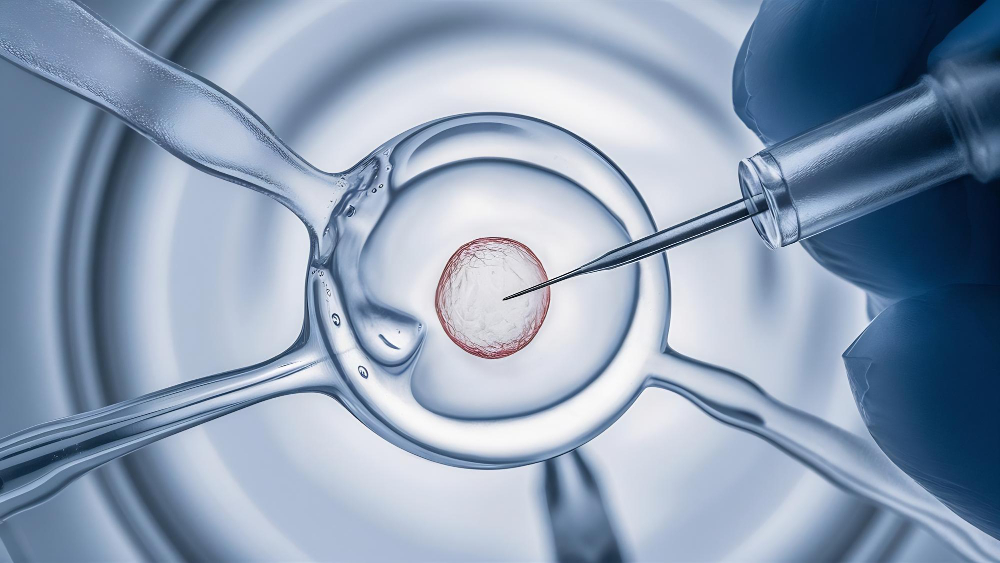
What Is Frozen Embryo Transfer?
Frozen embryo transfer is a common step in many IVF options for couples. In this process, doctors freeze embryos after fertilization. Later, they thaw and place one or more embryos into the uterus. In contrast, a fresh embryo transfer uses embryos right after fertilization, without freezing. While both methods aim to help couples have a baby, many now prefer frozen embryo transfer. This trend is growing in the United States and worldwide.
How Frozen Embryo Transfer Works
First, doctors collect eggs and sperm. Next, they fertilize the eggs in a lab. After that, the embryos are frozen and stored. When ready, the clinic thaws an embryo and prepares the patient’s body for transfer. Usually, this involves hormone medications to help the uterus get ready. Then, the doctor places the embryo into the uterus using a thin tube. The whole process is simple and often takes only a few minutes. In most cases, patients can go home the same day. Preparation for frozen embryo transfer may take a few weeks, depending on the treatment plan.
Reasons Couples Choose Frozen Over Fresh Transfer
Many couples now pick frozen embryo transfer instead of fresh transfer. There are several reasons for this choice:
Benefits and Considerations
Frozen embryo transfer offers many benefits. For example, it allows for better scheduling and less stress. Many couples like having more time to recover between egg retrieval and transfer. Also, some studies suggest frozen vs fresh embryo transfer may lead to healthier pregnancies in some cases. However, it is important to know that not all embryos survive freezing and thawing. While most do, there is a small chance some may not. In addition, the process can take longer than a fresh transfer. Couples should talk with their doctor about the best choice for their needs.
What to Expect During the Process
During frozen embryo transfer, patients often take hormone medicine to prepare the uterus. This may include pills, patches, or shots. The clinic will schedule regular checkups to monitor progress. On the day of transfer, the procedure is quick and usually painless. Afterward, patients can rest at home. Some people feel nervous about the wait for results. However, clinics offer support and answer questions along the way. Many couples find the process less stressful than they expected. If you have concerns, ask your care team for advice. They are there to help at every step.