
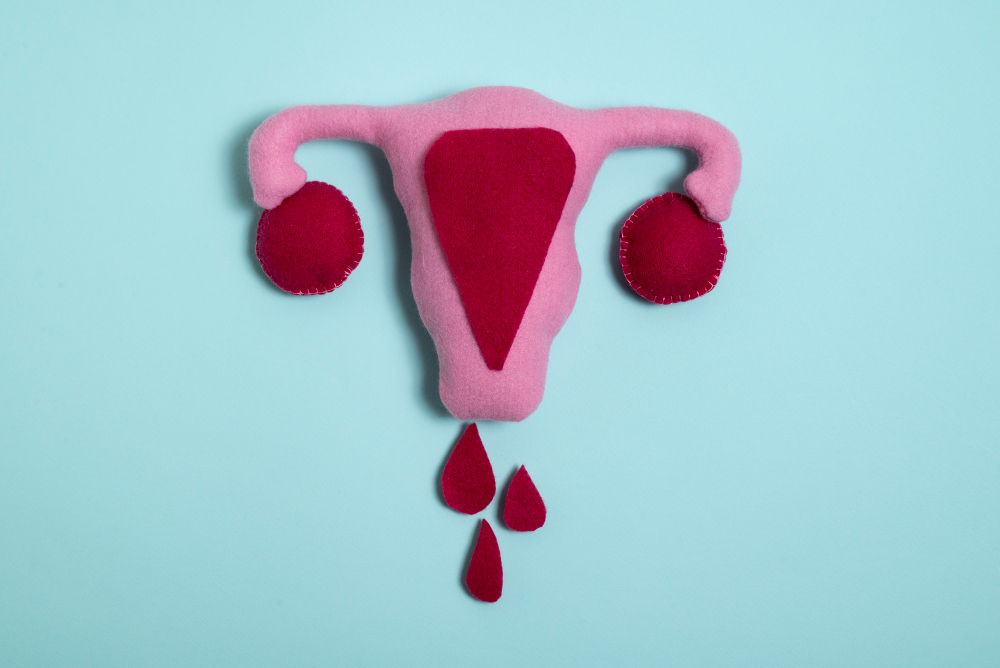
What Is Abnormal Uterine Bleeding?
Abnormal uterine bleeding, often called AUB, means any bleeding from the uterus that is not normal. Usually, periods follow a regular pattern. However, AUB can cause bleeding between periods, heavy periods, or bleeding after menopause. In many cases, this can be a sign of a health problem. Early evaluation is important to find the cause and choose the right treatment. According to the Centers for Disease Control and Prevention (CDC), AUB affects many women in the United States and worldwide.
Common Symptoms of Abnormal Uterine Bleeding
Many women notice changes in their periods or bleeding patterns. For example, some may see spotting between periods. Others may have very heavy or long periods. In addition, some women bleed after sex or after menopause. Watch for these common symptoms:
Because these symptoms can signal other health issues, it is important to pay attention and seek advice if they occur.
Causes of Abnormal Uterine Bleeding
There are many causes of abnormal uterine bleeding. Sometimes, the cause is not serious. However, in other cases, it may need medical care. Common causes include:
For many women, finding the cause helps guide treatment. Therefore, talking to a gynecologist is key if you notice changes.
When to Seek Medical Attention
Sometimes, abnormal uterine bleeding can be mild. Yet, there are times when you should see a doctor right away. For instance, seek help if you:
Because these signs can mean a serious problem, prompt care is important. Gynecologist advice for abnormal bleeding can help you stay safe and healthy.
Diagnostic Approaches for Abnormal Uterine Bleeding
Doctors use several methods to find the cause of AUB. First, they ask about your health and period history. Next, they may do a physical exam. In addition, tests may include:
Because each woman is different, your doctor will choose the best tests for you. These steps help find the cause and guide treatment.
Indications for Surgical Evaluation
Sometimes, surgery may be needed to find or treat the cause of abnormal uterine bleeding. But when is surgical evaluation for uterine bleeding necessary? Consider these situations:
For example, if your doctor suspects a growth or cancer, surgery may help find the answer. Signs you need surgery for AUB often include ongoing heavy bleeding or abnormal test results.
Types of Surgical Procedures for AUB
Doctors may suggest different surgeries based on your needs. Common procedures include:
Because each surgery has risks and benefits, your doctor will discuss the best option for you. In the United States, these procedures are common and often safe.
Risks and Benefits of Surgical Evaluation
Surgical evaluation for uterine bleeding can help find or treat the cause. However, every surgery has risks. Benefits may include:
Yet, risks can include infection, bleeding, or injury to nearby organs. For most women, the benefits outweigh the risks when surgery is needed. Your gynecologist will explain what to expect and answer your questions.
Lifestyle and Preventive Guidance
While not all cases of AUB can be prevented, some steps may help. For instance, keeping a healthy weight and managing stress can support hormone balance. In addition, regular check-ups with your gynecologist can catch problems early. Try these tips:
Because early care can prevent complications, always talk to your doctor if you notice abnormal bleeding. Following gynecologist advice for abnormal bleeding can help you stay healthy.