What Is Scar Revision?
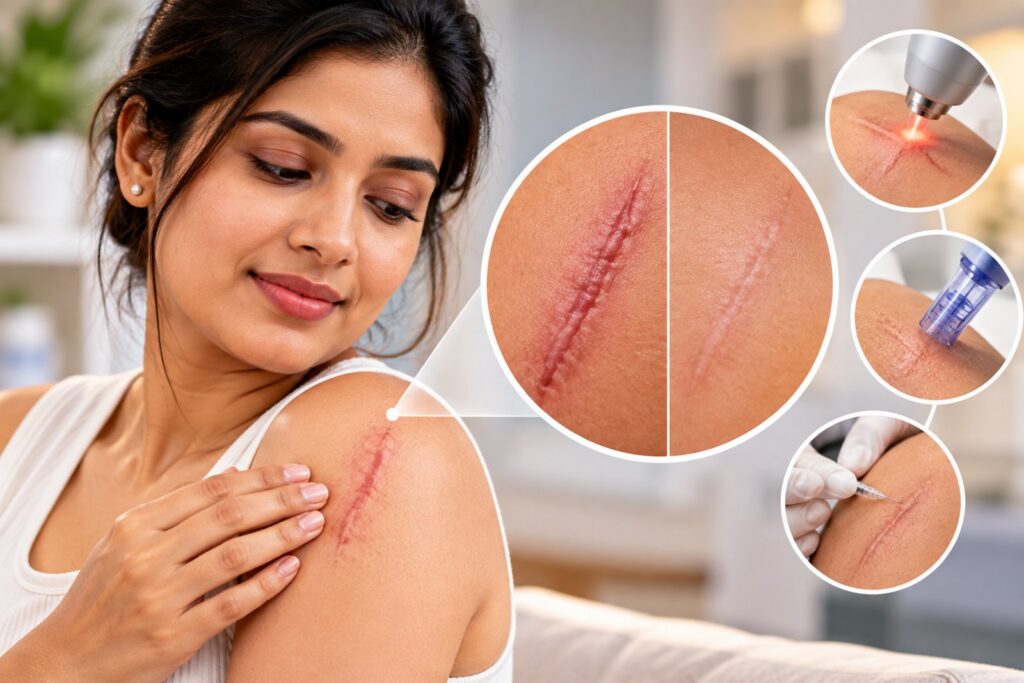
Scar revision treatment is a way to improve the look of scars. Many people feel self-conscious about scars, especially if they are on the face or hands. For this reason, scar revision can help boost confidence. Scar revision procedures aim to make scars less noticeable. While scars cannot be removed completely, their appearance can often be softened. Doctors use different methods to treat scars, depending on their type and size. According to the World Health Organization, scars are a natural part of healing, but some may need special care.
Types of Scars Treated by Scar Revision
Not all scars are the same. In fact, there are several types that may need scar revision. Understanding the type of scar helps doctors choose the best scar revision methods. Here are common types:
Because each scar is unique, doctors may use different scar revision procedures for each type.
Common Scar Revision Treatment Options
There are many ways to treat scars. Some methods are simple, while others may need surgery. Below are common scar revision treatment options:
Because everyone heals differently, your doctor will suggest the best scar revision methods for you.
How to Prepare for Scar Revision Procedures
Before any scar revision procedure, preparation is important. First, talk with your doctor about your medical history. For example, let them know if you have allergies or take any medicines. Your doctor may ask you to stop certain medicines, such as blood thinners, before surgery. In addition, you may need to avoid smoking, as it can slow healing. Sometimes, doctors will take photos of your scar for comparison later. Because preparation helps ensure a safe procedure, always follow your doctor’s instructions closely.
What to Expect During and After Scar Revision
During scar revision, the steps depend on the chosen method. For non-surgical treatments, you may feel mild discomfort, but most people tolerate them well. If you need surgery, it is usually done with local anesthesia, so you stay awake but do not feel pain in the area. After the procedure, you may notice redness, swelling, or mild pain. These symptoms often improve within a few days. However, healing times vary based on the type of scar and treatment. Your doctor will explain what to expect and how long recovery may take.
Recovery Tips and Aftercare for Scar Revision
Proper aftercare is key for good results. To help your skin heal, follow these scar revision recovery tips:
Because healing takes time, be patient and gentle with your skin. If you notice signs of infection, such as redness, warmth, or pus, contact your doctor right away.
Potential Risks and Complications
Like any medical procedure, scar revision has some risks. Most people do well, but it is important to know what can happen. Possible risks include:
Although these problems are rare, your doctor will explain how to lower your risk. Always follow aftercare instructions to help prevent complications.
Frequently Asked Questions About Scar Revision Treatment
How long does scar revision recovery take?
Recovery time depends on the treatment. For minor procedures, healing may take a few days. For surgery, it can take weeks to months for the scar to fade.
Are scar revision procedures painful?
Most treatments cause only mild discomfort. Doctors use numbing medicine to keep you comfortable.
Can all scars be treated?
Most scars can be improved, but some may not respond fully. Your doctor will discuss what results you can expect.
What is the best scar revision method?
The best method depends on your scar type, skin, and health. Your doctor will help choose the right option for you.
Will my scar go away completely?
Scar revision can make scars less visible, but it may not remove them completely. However, most people see a big improvement.